Category: Science

Accessible stories about research, discovery, space, climate science, and emerging fields.

  • What Makes a Scientific Result Reproducible

    What Makes a Scientific Result Reproducible

    What Makes a Scientific Result Reproducible is part of a broader shift that has been building over the past several years. In this report, Lucas Nguyen looks beyond the headline to explain what is changing, why it matters, and where readers should be cautious about drawing conclusions too quickly.

    The most useful way to understand the trend is to focus on how people and organizations are responding in practice. Early adopters often move faster, but they also encounter operational, financial, and cultural constraints that are less visible in short announcements. Looking at those constraints makes it easier to separate durable change from temporary enthusiasm.

    For readers, the practical takeaway is straightforward: start with a clear goal, measure what actually improves, and revisit assumptions as new evidence appears. The story is still developing, but the direction is already influencing decisions across science, especially where startups intersects with everyday work and life.

  • How Machine Learning Is Helping Scientists Find Patterns Faster

    How Machine Learning Is Helping Scientists Find Patterns Faster

    How Machine Learning Is Helping Scientists Find Patterns Faster is part of a broader shift that has been building over the past several years. In this report, Chloe Martin looks beyond the headline to explain what is changing, why it matters, and where readers should be cautious about drawing conclusions too quickly.

    The most useful way to understand the trend is to focus on how people and organizations are responding in practice. Early adopters often move faster, but they also encounter operational, financial, and cultural constraints that are less visible in short announcements. Looking at those constraints makes it easier to separate durable change from temporary enthusiasm.

    For readers, the practical takeaway is straightforward: start with a clear goal, measure what actually improves, and revisit assumptions as new evidence appears. The story is still developing, but the direction is already influencing decisions across science, especially where artificial intelligence intersects with everyday work and life.

  • Why Soil Science Is Becoming Central to Climate Planning

    Why Soil Science Is Becoming Central to Climate Planning

    Why Soil Science Is Becoming Central to Climate Planning is part of a broader shift that has been building over the past several years. In this report, Ethan Walker looks beyond the headline to explain what is changing, why it matters, and where readers should be cautious about drawing conclusions too quickly.

    The most useful way to understand the trend is to focus on how people and organizations are responding in practice. Early adopters often move faster, but they also encounter operational, financial, and cultural constraints that are less visible in short announcements. Looking at those constraints makes it easier to separate durable change from temporary enthusiasm.

    For readers, the practical takeaway is straightforward: start with a clear goal, measure what actually improves, and revisit assumptions as new evidence appears. The story is still developing, but the direction is already influencing decisions across science, especially where future of work intersects with everyday work and life.
  • What Gene-Editing Research Is Teaching Us About Rare Diseases

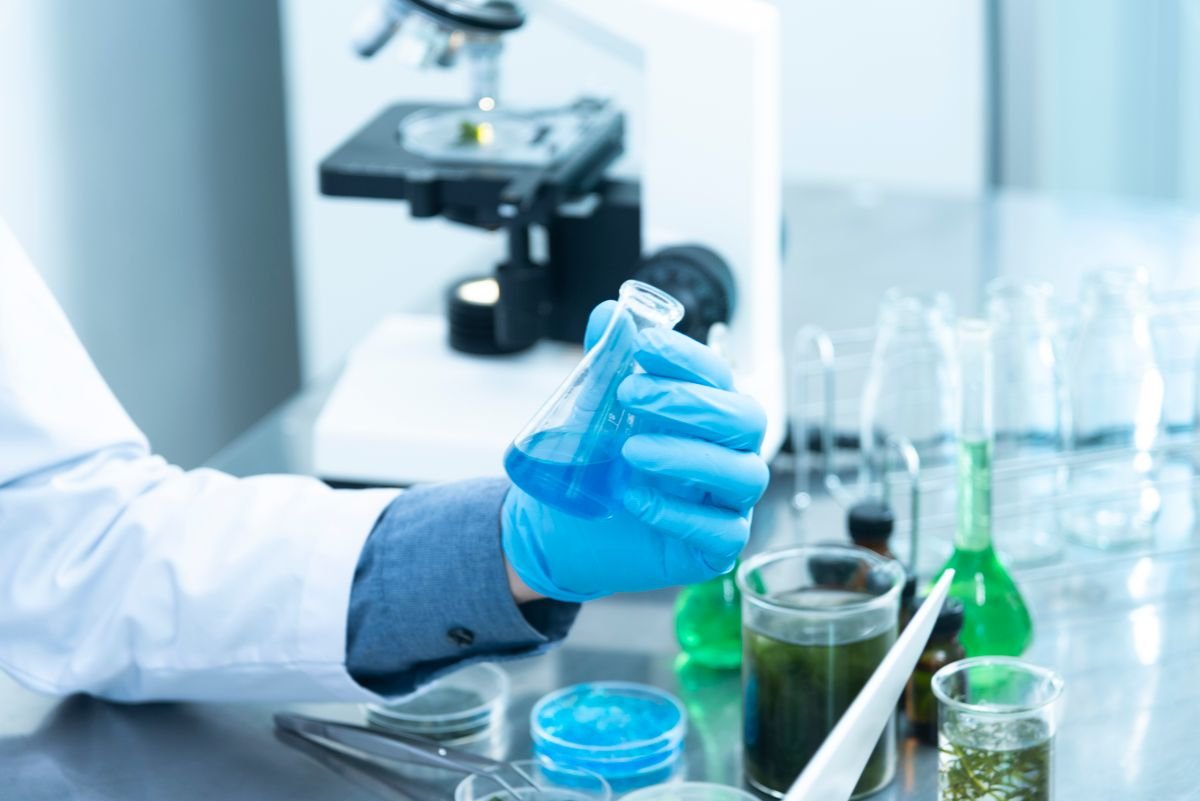
    What Gene-Editing Research Is Teaching Us About Rare Diseases

    What Gene-Editing Research Is Teaching Us About Rare Diseases is part of a broader shift that has been building over the past several years. In this report, Aisha Rahman looks beyond the headline to explain what is changing, why it matters, and where readers should be cautious about drawing conclusions too quickly.

    The most useful way to understand the trend is to focus on how people and organizations are responding in practice. Early adopters often move faster, but they also encounter operational, financial, and cultural constraints that are less visible in short announcements. Looking at those constraints makes it easier to separate durable change from temporary enthusiasm.

    For readers, the practical takeaway is straightforward: start with a clear goal, measure what actually improves, and revisit assumptions as new evidence appears. The story is still developing, but the direction is already influencing decisions across science, especially where community intersects with everyday work and life.

  • How Researchers Track Microplastics Across Rivers and Coasts

    How Researchers Track Microplastics Across Rivers and Coasts

    How Researchers Track Microplastics Across Rivers and Coasts is part of a broader shift that has been building over the past several years. In this report, Liam O’Connor looks beyond the headline to explain what is changing, why it matters, and where readers should be cautious about drawing conclusions too quickly.

    The most useful way to understand the trend is to focus on how people and organizations are responding in practice. Early adopters often move faster, but they also encounter operational, financial, and cultural constraints that are less visible in short announcements. Looking at those constraints makes it easier to separate durable change from temporary enthusiasm.

    For readers, the practical takeaway is straightforward: start with a clear goal, measure what actually improves, and revisit assumptions as new evidence appears. The story is still developing, but the direction is already influencing decisions across science, especially where digital trends intersects with everyday work and life.
  • Why Better Sensors Are Transforming Field Research

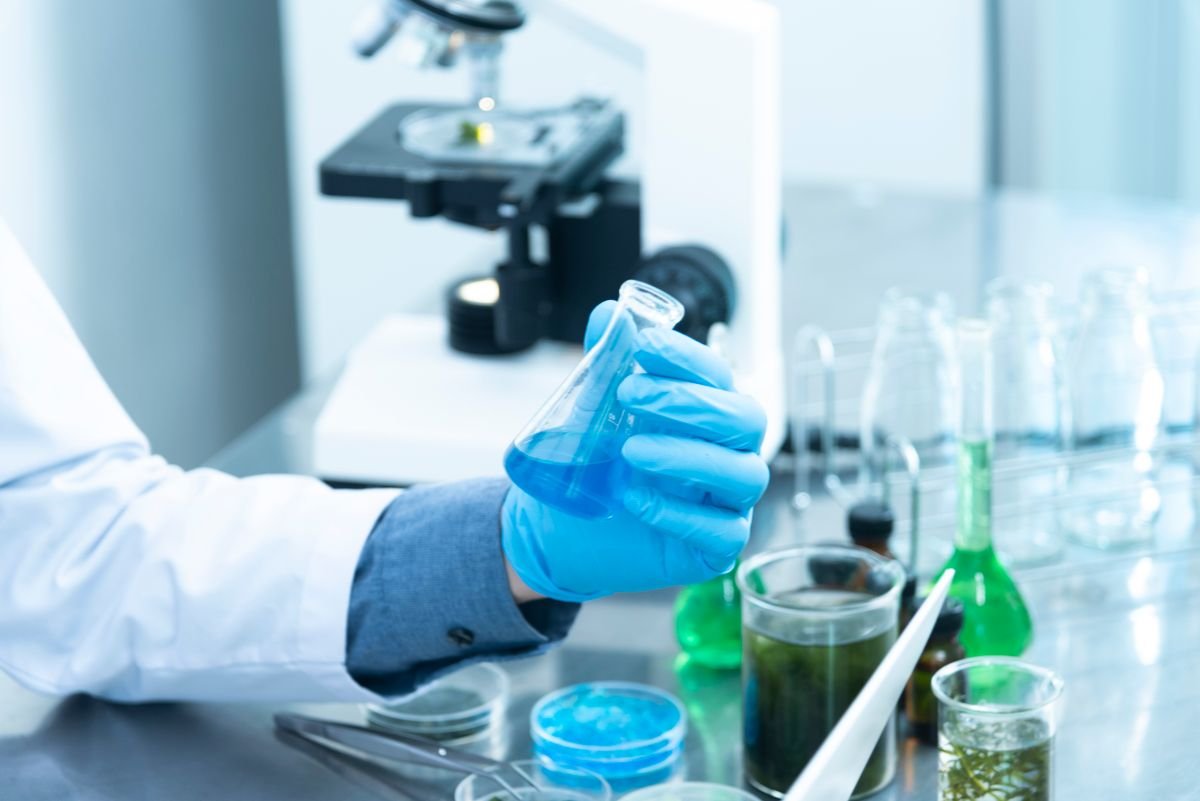
    Why Better Sensors Are Transforming Field Research

    Why Better Sensors Are Transforming Field Research is part of a broader shift that has been building over the past several years. In this report, Sofia Bennett looks beyond the headline to explain what is changing, why it matters, and where readers should be cautious about drawing conclusions too quickly.

    The most useful way to understand the trend is to focus on how people and organizations are responding in practice. Early adopters often move faster, but they also encounter operational, financial, and cultural constraints that are less visible in short announcements. Looking at those constraints makes it easier to separate durable change from temporary enthusiasm.

    For readers, the practical takeaway is straightforward: start with a clear goal, measure what actually improves, and revisit assumptions as new evidence appears. The story is still developing, but the direction is already influencing decisions across science, especially where lifestyle intersects with everyday work and life.

  • What We Are Learning From the New Generation of Space Telescopes

    What We Are Learning From the New Generation of Space Telescopes

    What We Are Learning From the New Generation of Space Telescopes is part of a broader shift that has been building over the past several years. In this report, Noah Patel looks beyond the headline to explain what is changing, why it matters, and where readers should be cautious about drawing conclusions too quickly.

    The most useful way to understand the trend is to focus on how people and organizations are responding in practice. Early adopters often move faster, but they also encounter operational, financial, and cultural constraints that are less visible in short announcements. Looking at those constraints makes it easier to separate durable change from temporary enthusiasm.

    For readers, the practical takeaway is straightforward: start with a clear goal, measure what actually improves, and revisit assumptions as new evidence appears. The story is still developing, but the direction is already influencing decisions across science, especially where sustainability intersects with everyday work and life.
  • How Citizen Science Is Expanding Environmental Monitoring

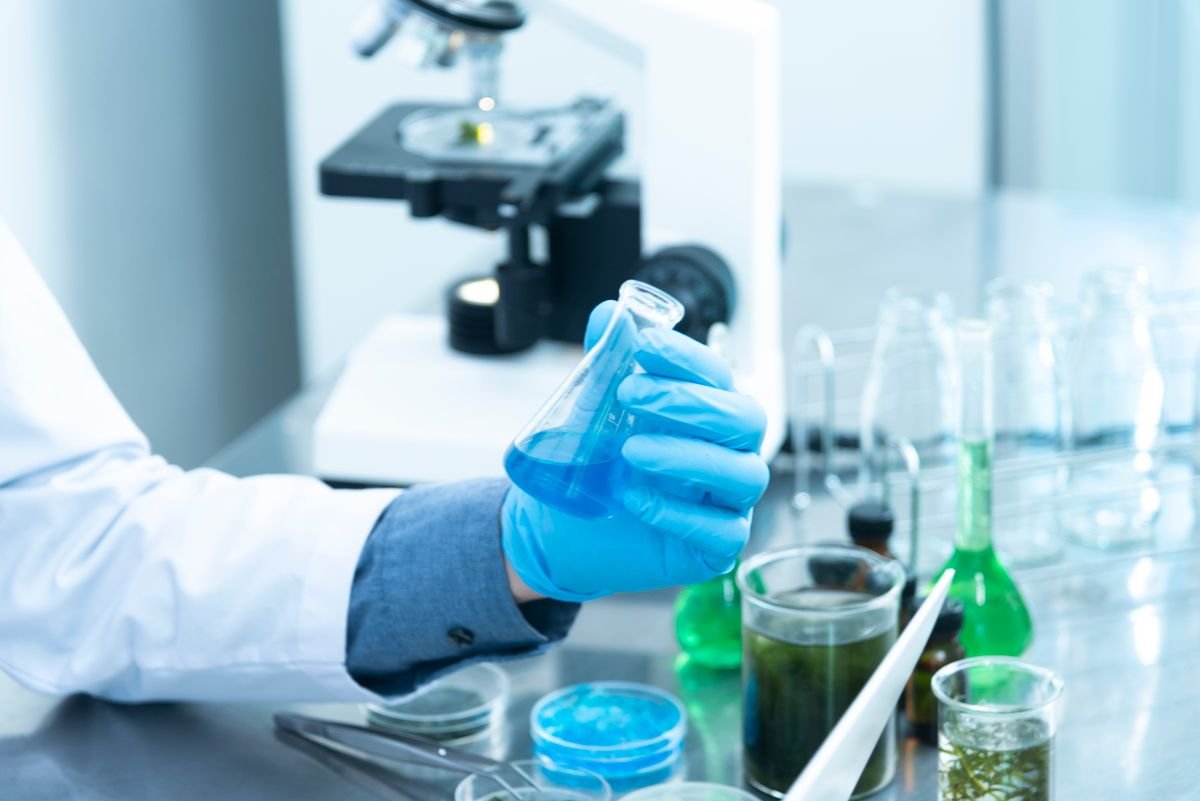
    How Citizen Science Is Expanding Environmental Monitoring

    How Citizen Science Is Expanding Environmental Monitoring is part of a broader shift that has been building over the past several years. In this report, Maya Rodriguez looks beyond the headline to explain what is changing, why it matters, and where readers should be cautious about drawing conclusions too quickly.

    The most useful way to understand the trend is to focus on how people and organizations are responding in practice. Early adopters often move faster, but they also encounter operational, financial, and cultural constraints that are less visible in short announcements. Looking at those constraints makes it easier to separate durable change from temporary enthusiasm.

    For readers, the practical takeaway is straightforward: start with a clear goal, measure what actually improves, and revisit assumptions as new evidence appears. The story is still developing, but the direction is already influencing decisions across science, especially where research intersects with everyday work and life.

  • Why Scientists Are Paying Closer Attention to Urban Heat

    Why Scientists Are Paying Closer Attention to Urban Heat

    Why Scientists Are Paying Closer Attention to Urban Heat is part of a broader shift that has been building over the past several years. In this report, Daniel Kim looks beyond the headline to explain what is changing, why it matters, and where readers should be cautious about drawing conclusions too quickly.

    The most useful way to understand the trend is to focus on how people and organizations are responding in practice. Early adopters often move faster, but they also encounter operational, financial, and cultural constraints that are less visible in short announcements. Looking at those constraints makes it easier to separate durable change from temporary enthusiasm.

    For readers, the practical takeaway is straightforward: start with a clear goal, measure what actually improves, and revisit assumptions as new evidence appears. The story is still developing, but the direction is already influencing decisions across science, especially where leadership intersects with everyday work and life.